


Pulmonary Rehabilitation For Asthma, Cystic Fibrosis, COPD, Emphysema
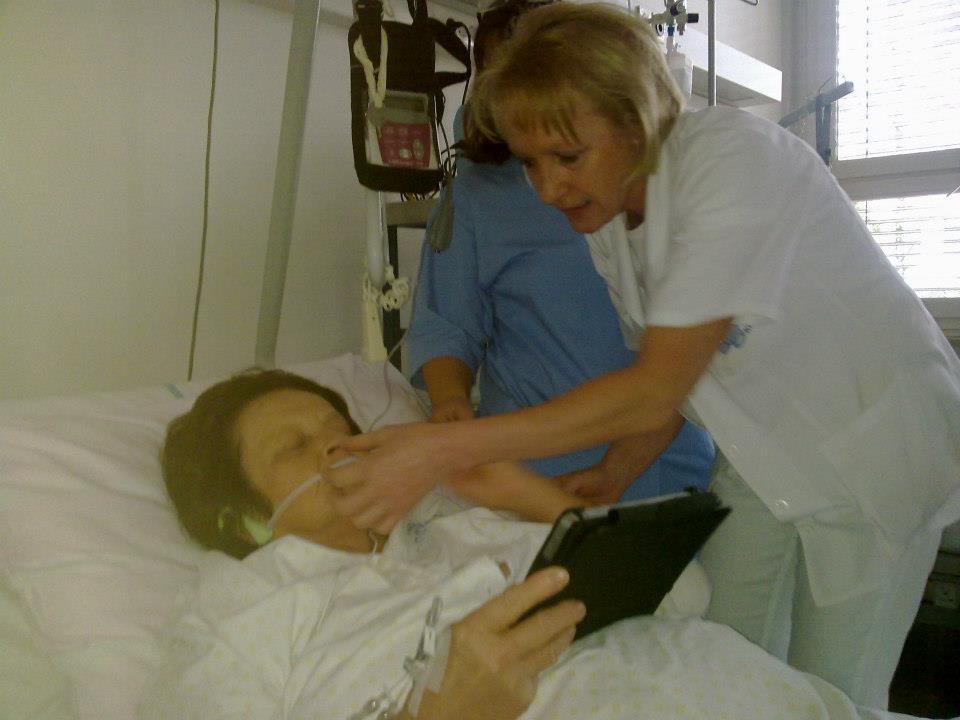
Pursed lip breathing is most often practiced to treat asthma, pulmonary/cystic fibrosis and chronic obstructive pulmonary disease (COPD). The purpose of PLB is to create positive pressure inside airways to splint them open. Moving air then takes less work. Additionally it prolongs exhalation and allows more air out of the body therefore increasing lung volumes (FEV, FVC).
This leads to:
- More efficient breathing
- Improved oxygenation
- Reduced breathing rate
- Reduced shortness of breath
Table of Contents
Contraindications
Diabetes
If you suffer from diabetes and use insulin or other blood glucose-lowering medication, the pursed lip breathing exercise can increase your sensitivity to medication. This can make your blood glucose level lower than usual. You may suffer then from hypoglycemic shock, which is much more dangerous than high blood sugar. You should have a small snack immediately after the breathing session.
Depression
Breathing with longer exhalations triggers the parasympathetic nervous system, the rest-and-digest response. If you suffer from depression, this can further aggravate it as you tend to predominantly activate your parasympathetic; Putting the body in a state of relaxation but increasing a lack of motivation.
Severe Personality Disorders
Personality disorders, psychopathic disorders, severe forms of depression, mania, obsessive-compulsive disorder and delirium. In these disorders the patient is more likely to interpret a breathing exercise in the context of his/her personality disorder in which the therapist no longer has sufficient control over the therapy’s effect.
Age
Kids under 7 years should use the product in assistance with their parents or caregivers.
Psychoactive Substances
Opioids, benzodiazepines and caffeine may decrease the effectiveness of therapy.
Side Effects
- Dehydration
- Dizziness
Practicing pursed lip breathing expels air that was previously trapped in the lungs. This air is saturated with water and CO2 resulting in dehydration. Thus the patient is required to drink some water after the exercise.
In elderly patients a short-term dizziness is possible therefore after exercise the patient should rest for a while.
Guidelines
Exercise should be provided at least once daily in the form of ten (10) prolonged exhalations (blows). Exercise should be carried out in a relaxed sitting position. The aim is to achieve longest blow possible.
Warnings
- Supply patients with extra drinking water
- Before and after use, clean headset with dry tissue
- Store the headset in a clean and dry environment
Did you know? With each exhalation humans eliminate water from their bodies. Chemical equation is: Glucose + Oxygen –> Carbon Dioxide + Water + Energy (ATP). That’s why you feel thirsty after playing breathing games.